
Finding the right B2B wholesale marketplace can be a big help for businesses that buy and sell in bulk. But with so many options out there, it can be confusing to pick the best one. Don’t worry! This guide will thoroughly explain everything, so you can easily understand.
We’ll discuss what a B2B wholesale marketplace is, what features to look for, and which platforms are best. By the end, you’ll know which marketplace platform is right for your wholesale business!
Want to learn more? Keep reading!
What Is B2B Wholesale Marketplace?
A B2B wholesale marketplace is a special kind of online marketplace where businesses buy and sell products in big amounts. Unlike regular stores where people buy one item at a time, a wholesale marketplace is made for businesses that need to order in bulk. These platforms help businesses find trusted suppliers, compare prices, and place big sales orders easily.
Let’s make it more simple with an example: Imagine you own a small clothing store. Instead of buying t-shirts one by one from different shops, you can go to a B2B wholesale marketplace and find many suppliers selling in bulk. You can pick the best supplier, get discounts, and have all your stock delivered at once. Several marketplace platforms work like this, which makes it easy for store owners to connect with suppliers.
Quick summary: A B2B wholesale marketplace is an online platform where businesses buy and sell products in bulk. It helps buyers compare suppliers, negotiate terms, and place large orders in one place. It also helps sellers reach business buyers who already shop in bulk.
What to look for before you join:
- Product fit: Does the marketplace match your industry and buyer type?
- Pricing tools: Can you support bulk pricing, tiered pricing, and discounts?
- Order support: Can you handle large orders, invoices, and inventory updates?
- Payments: Are payment methods and payment terms clear?
- Fees: Do you understand how the platform charges sellers?
Types Of B2B Marketplaces
Not all B2B marketplaces work the same way. The best choice often depends on whether you need a specialized audience or a broad demand. Many marketplaces fall into two common types: vertical and horizontal.
Vertical marketplaces
A vertical marketplace focuses on one industry or niche. It may specialize in categories like fashion, food supply, beauty, or industrial parts. This works well when buyers want a specific assortment and suppliers need clearer product standards.
Pros
- More targeted buyers
- Better product fit for specialized catalogs
- Often stronger trust signals within the niche
Cons
- Smaller buyer pool
- Less demand outside the niche
Horizontal marketplaces
A horizontal marketplace covers many categories across industries. It is often useful when you want reach and variety. Buyers can source different types of products in one place, which is helpful for general procurement.
Pros
- Larger buyer pool
- More demand across many categories
- Easier for buyers to bundle sourcing
Cons
- More competition among suppliers
- Harder to stand out if your products are not unique
If you sell specialized products, vertical marketplaces often give you a better fit. If you want a broad reach, horizontal marketplaces can bring more buyer volume.
Choosing A B2B Wholesale Marketplace (5 Key Features To Consider)
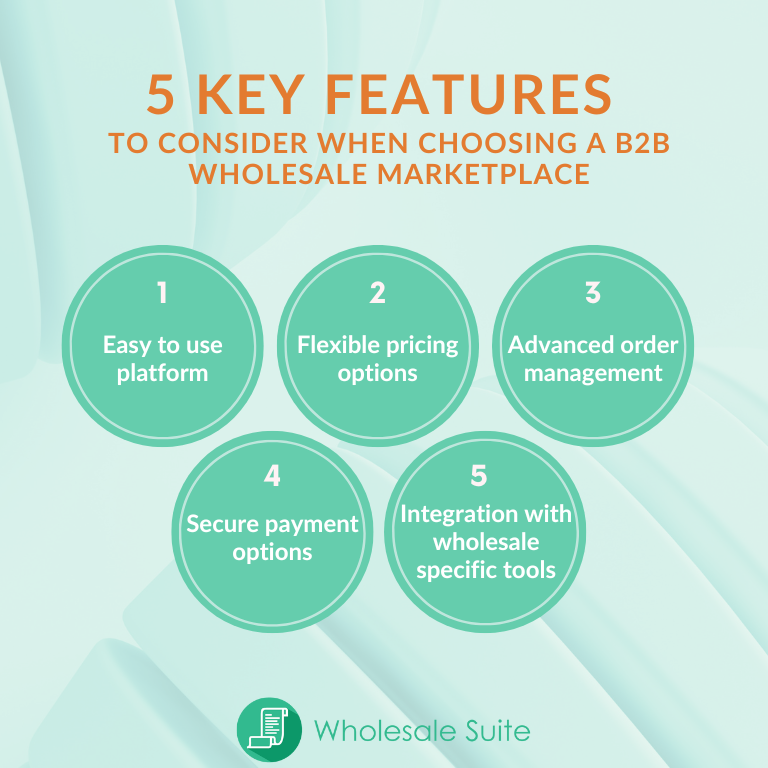
Picking the right B2B wholesale marketplace is important. Here are five key features you should look for:
1. Easy-to-use platform
A good wholesale platform should be simple and easy to use. Vendors should be able to set up their stores, list products, and manage orders without any trouble. The platform should have a clean and organized layout, so everything is easy to find. If it’s too complicated, it can slow down business and make it harder for vendors to sell products.
Imagine you are a new vendor selling handmade soaps. If the e-commerce platform is confusing, you might struggle to upload your products, update prices, and track orders. A user-friendly platform helps you start selling quickly and ensures you can focus on your business instead of figuring out how to use the website.
2. Flexible pricing options
Every wholesale business has different pricing structures based on bulk orders. Some buyers purchase small amounts, while others buy in large quantities. The best e-commerce marketplaces should allow vendors to set discounts, tiered pricing, and special offers for different types of buyers.
Let’s say you sell office supplies. If a customer buys 50 notebooks, they get 10% off. If they buy 200 notebooks, they get 20% off. A good marketplace platform should let you set up these pricing rules easily, so buyers automatically get the correct discount without needing to ask for it.
3. Advanced order management
Handling sales orders by hand can take a lot of time. The best wholesale marketplace should have automated order tracking, invoicing, and inventory management to make the process easier.
If you run a restaurant supply business and get hundreds of orders daily, you need a system that keeps track of inventory and reminds you when stock is low. This way, you won’t accidentally sell items that are out of stock, and customers won’t have to wait too long for their deliveries.
4. Secure payment options
Since wholesale ecommerce transactions involve big purchases, the marketplace platform should support secure payment options like credit cards, bank transfers, and installment payments. Some buyers may prefer to pay in multiple parts instead of all at once, so flexible payment options make it easier for them to complete large orders.
Let’s say, a bakery buying thousands of dollars worth of flour might want to pay in parts instead of one full payment. A B2B wholesale marketplace that allows different payment methods makes the process smoother for both the buyer and the seller to ensure a successful transaction.
To know more about secure payment options, check out our blog: Wholesale Payments: The Best WooCommerce Payments Plugin For B2B (Full Guide).
5. Integration with wholesale-specific tools
A great B2B wholesale marketplace should work well with WooCommerce pricing so vendors can set different prices for different buyers. It should also support plugins and apps that make managing the store easier.
For instance, a skincare brand selling to both small shops and large distributors can use integrations to automatically apply the right pricing based on the buyer’s category. This saves time because the vendor doesn’t have to manually adjust pricing for each customer.
If you’re running your B2B marketplace on WC Vendors, our guide to WooCommerce marketplace mobile app options is a useful next read for deciding whether buyers need more than a mobile-responsive site.”
Marketplace Fees And Payment Terms
Fees and payment rules can change how profitable a marketplace is for you. Two marketplaces can look similar on the surface, but the cost structure may be very different. Before you commit, review the fee model and how payments flow from buyer to seller.
Common marketplace fee models
Here are the most common ways B2B marketplaces charge sellers:
- Commission-based fees: The marketplace takes a percentage of each sale.
- Subscription-based fees: Sellers pay a monthly or yearly fee, sometimes with extra services included.
- Listing fees: Sellers pay per product listing or per listing tier.
Some platforms also add extra costs for ads, logistics services, or premium placement. This is why it helps to ask for a full fee breakdown before you scale listings.
Payment terms and payout timing
Payment terms matter a lot in wholesale. Some marketplaces pay sellers quickly. Others delay payouts or use structures that protect buyers.
Common payment patterns include:
- Immediate payment at checkout
- Net terms like Net 30 or Net 60, where buyers pay later
- Escrow-style flows, where the platform holds funds until conditions are met
Also, check payout timing. Even when a buyer pays, marketplaces may release funds on a schedule. If cash flow matters, do not skip this step.
Fees affect your margin. Payment terms affect your cash flow. You need both to work for your business.
Which B2B Wholesale Marketplace Is Right For You?
Now that you know what to look for in a B2B wholesale marketplace, let’s go over some of the best options available:
| Option | Best for | Fee pattern | Payment terms | Control level | Main tradeoff |
|---|---|---|---|---|---|
| Amazon Business | Broad procurement and fast supplier comparison | Often commission-based or marketplace fees | Usually checkout-based payments | Low | High competition and limited customization |
| Faire | Independent brands and boutique retail buyers | Marketplace fees plus platform rules | Offers Net 60 options for buyers | Low | Platform rules may limit flexibility |
| Alibaba | Global sourcing and factory-direct options | Marketplace fees vary by supplier and tools | Terms vary by supplier | Low | Shipping lead times and supplier verification effort |
| Woo + WC Vendors | Full ownership of your marketplace rules | Your own costs and plugin fees | You set payment rules | High | Build your business with WooCommerce + WC Vendors |
1. Amazon Business
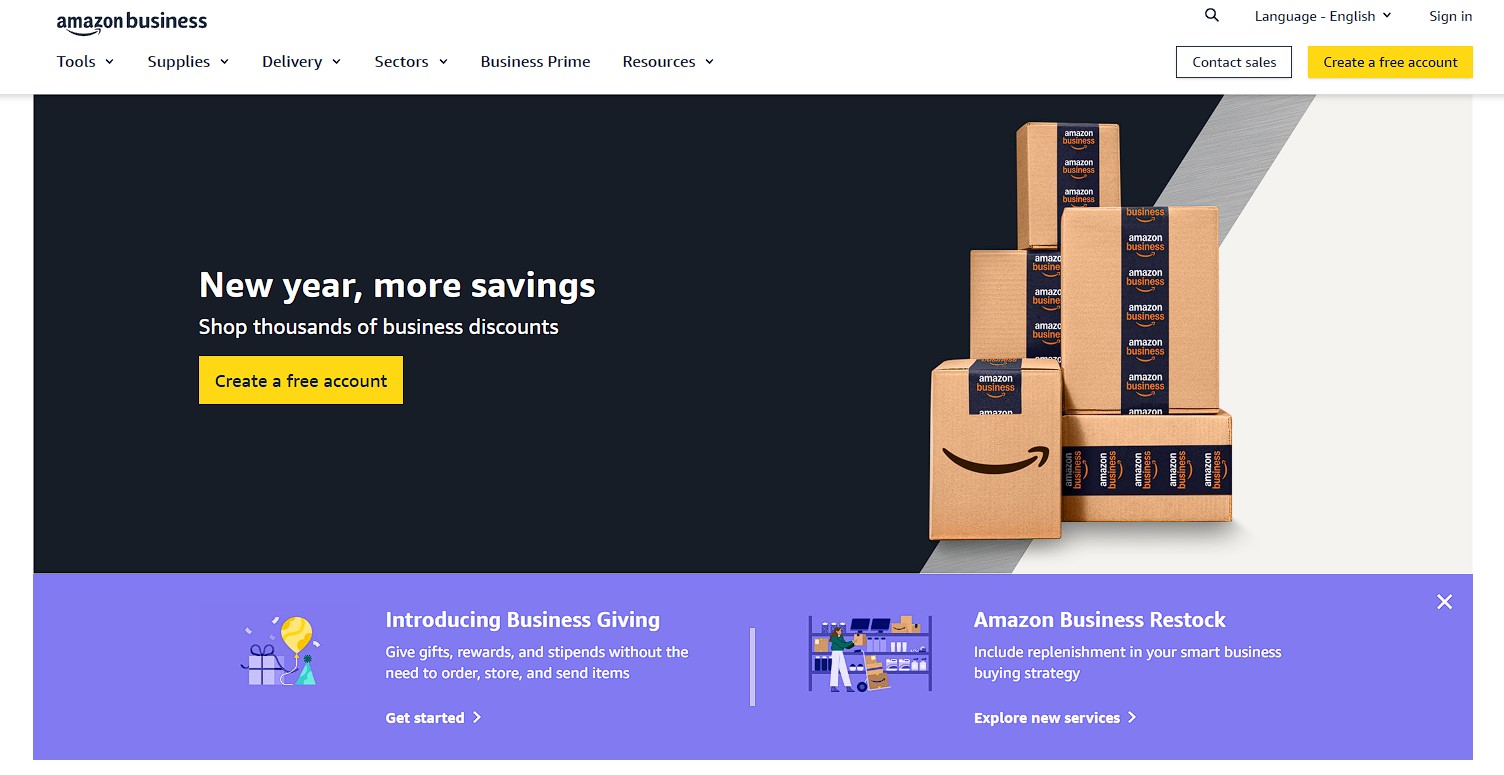
Amazon Business is one of the largest ecommerce platforms designed specifically for wholesale transactions. It provides business pricing, tax exemptions, and bulk discounts, making it an attractive choice for retailers looking to source products efficiently. With its vast network of suppliers, businesses can easily compare prices and select the best deals available.
Another advantage of Amazon Business is its automated order tracking system. Businesses can monitor their shipments in real time, which reduces the risks of lost or delayed deliveries. Moreover, Amazon Business allows for multi-user business accounts, meaning, different departments within a company can order from the same account but have separate permissions. This makes managing purchases and expenses easier for organizations.
2. Faire
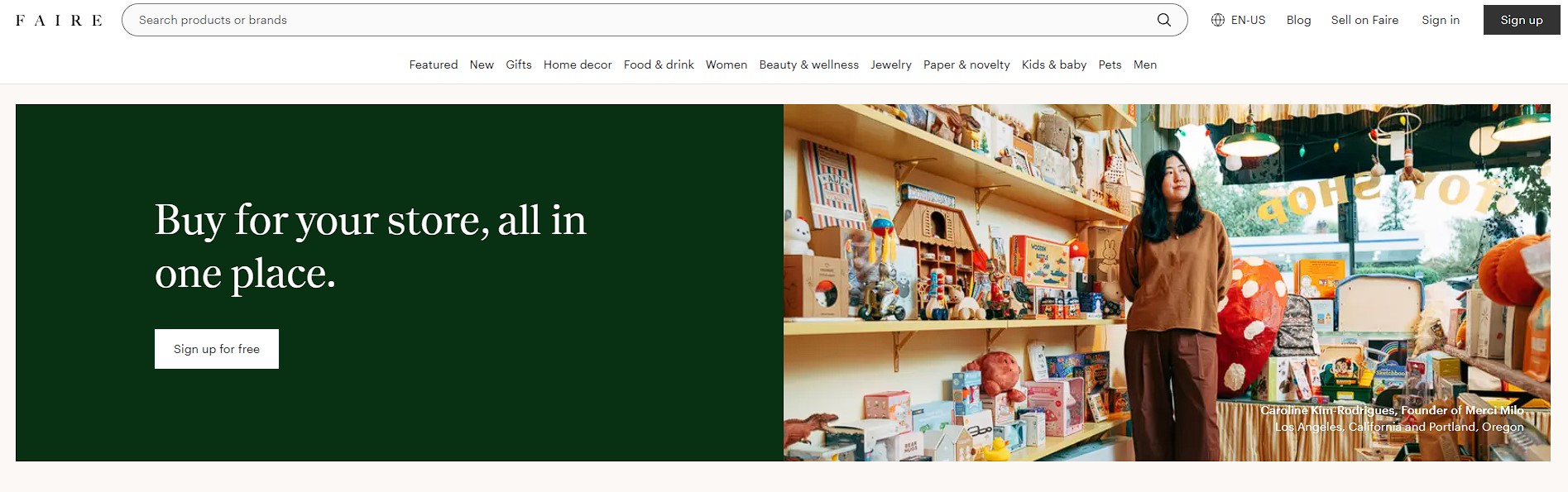
Faire is a wholesale platform that caters mainly to independent brands and small businesses. It aims to connect unique, handcrafted, and boutique-style products with retailers looking for something different. Unlike other marketplaces, Faire prioritizes high-quality, niche brands, making it an excellent option for businesses that want to stand out from the competition.
One of the biggest advantages of Faire is its Net 60 payment terms that allow buyers to receive products and sell them before making a payment. This is a great benefit for small businesses that need flexibility with cash flow. Faire also offers free returns on first orders with new suppliers, which minimizes risks for buyers who want to test new products without commitment.
3. Alibaba
Alibaba is a global B2B wholesale marketplace that connects manufacturers and suppliers with businesses worldwide. It is particularly useful for businesses looking to source products at factory-direct prices. Alibaba supports bulk purchases and custom manufacturing, allowing businesses to request specific product designs, branding, and packaging.
Alibaba’s biggest strength is its wide supplier network. Businesses can connect with thousands of manufacturers across different industries, ensuring competitive pricing and various product choices. However, one drawback is that shipping times can be long, as many suppliers are based overseas. Buyers should also be cautious and verify suppliers before making purchases to avoid scams.

4. WC Vendors (Suited for WooCommerce businesses)
WC Vendors is the perfect marketplace platform for businesses using WooCommerce. Unlike the other platforms mentioned, WC Vendors allows businesses to create their wholesale marketplace, meaning store owners have full control over how their marketplace operates. This is an ideal solution for businesses that want to manage multiple vendors while setting their own rules and commissions.
One of WC Vendors’ best features is full pricing control. Sellers can create custom pricing structures based on customer roles, order volume, and subscription plans. Additionally, WC Vendors supports built-in analytics, allowing sellers to track their sales, vendor commissions, and customer activity efficiently.
Why choose WC Vendors?
- Works perfectly with WooCommerce stores
- Allows vendors to set different wholesale pricing rules
- Vendors can earn based on custom commission settings
- Provides detailed sales reports and vendor performance tracking
- Enables advanced pricing options for wholesale buyers
Marketplace integration with wholesale prices
WC Vendors is the best choice for businesses that want complete control over their wholesale ecommerce operations. With its easy-to-use interface and powerful tools, it provides everything needed to run a successful B2B wholesale marketplace.
Another huge advantage is the seamless integration with Wholesale Prices Premium. This integration allows store owners to offer exclusive wholesale pricing to different customer segments, which makes it easier to manage B2B sales within a WooCommerce store.
For a detailed guide on how this integration works, check out this article: WooCommerce Multi Vendor With Wholesale Prices.
Frequently Asked Questions
What is the best B2B marketplace?
The best B2B wholesale marketplace depends on your business needs and goals. If you need a global supplier network with access to manufacturers and factories worldwide, Alibaba is a great choice. However, if you want a curated marketplace that focuses on independent brands and unique products, Faire might be a better fit.
How do B2B marketplaces make money?
B2B marketplaces make money in several ways. Many platforms charge commission fees, where they take a percentage of each sale made on their marketplace. The commission can vary depending on the platform and the seller’s agreement. Another way they earn is through subscription fees, where vendors pay a monthly or annual fee to access the marketplace and its features.
How do I create a B2B marketplace?
To create a B2B wholesale marketplace, you need an ecommerce platform that allows multiple vendors to list their products, manage pricing, and handle transactions. One of the best options is WooCommerce combined with WC Vendors Pro. This setup provides full control over the marketplace, allowing store owners to customize vendor commissions, set wholesale pricing, and offer flexible payment options. For the full setup process, see this step-by-step guide to building a multi vendor marketplace.
What is the difference between a B2B marketplace and a B2B wholesale marketplace?
A B2B marketplace can include many types of business transactions. A B2B wholesale marketplace focuses on bulk buying and selling. It often includes pricing rules for large orders, wholesale payment terms, and supplier sourcing.
Are vertical marketplaces better than horizontal marketplaces?
Not always. Vertical marketplaces are often better when you need a specialized audience and category fit. Horizontal marketplaces can work better when you want reach across many industries.
What payment terms are common in B2B wholesale marketplaces?
Many platforms support immediate payment, while others support net terms like Net 30 or Net 60. Some marketplaces may also hold funds in escrow before payout. Always check payout timing and refund rules because those affect cash flow.
Conclusion
Choosing the right B2B wholesale marketplace is a crucial step in building a successful wholesale business. Whether you are a small business looking to source unique products, a large company needing bulk manufacturing, or an entrepreneur wanting to create your wholesale platform, there is a marketplace that fits your needs.
In this article, we discussed what a B2B wholesale marketplace is, what features to look for, and which platforms are best:
- What is B2B wholesale marketplace?
- Choosing a B2B wholesale marketplace
- Which B2B marketplace is right for you?
Start exploring today, compare your options, and choose the best wholesale platform that meets your business needs. The right decision today can lead to long-term success in the competitive world of B2B wholesale!
Do you have questions about B2B wholesale marketplace? Drop your questions in the comment box below!