

Many businesses aim to reach as many people as possible, but focusing on only one type of customer often limits growth. Different people have different needs. When a business sends the same message to everyone, it misses the chance to connect in a meaningful way with key segments of its audience. A multi-segment marketing strategy helps solve this problem.
If you’re wondering how, well, let’s put it simply this way: a multi-segment marketing strategy means creating separate marketing plans for different groups of customers instead of treating everyone the same. For a broad example (to help you picture it), a product can be advertised the same or as it is, but the message changes to match what each target group strategically aligns with.
In this article, we will go through five simple steps to build a strong multi-segment marketing strategy. You’ll be able to understand how to study the market, understand each target group, create the right message, use different marketing channels, and check the results to make things better over time.
Are you ready? Let’s get to it!
What Is A Multi-Segment Marketing Strategy?
A multi-segment marketing strategy means reaching different groups of people with different messages at the same time. Instead of talking to everyone in the same way, it focuses on what each group wants or needs. This makes it easier for a business to connect with more people and keep them interested.
According to marketing statistics, email campaigns that are segmented generate 30% more opens and 50% more click-throughs than those that are not segmented.
For instance, think of the first clothing brand that comes to mind. Imagine the type of people buying from this brand. One group might be students looking for affordable everyday wear. Another group might be young professionals wanting clothes that look good for work but are still comfortable. The product line can be the same, but the message changes. Students might respond to promotions like “budget-friendly fashion,” while professionals might like “smart style for the office.”
This strategy is not only for clothing brands. A B2B company can use it, too. Let’s say, a business that sells software might talk to wholesalers differently from retailers. Wholesalers might want bulk pricing details, while retailers want easy product setup guides. With a multi-segment marketing strategy, both groups get the right information that they need.
A few ways to look at marketing approaches
- Single-segment marketing talks to one group only. It works for businesses with a particular product or audience.
- Concentrated marketing focuses on one major group but goes very deep with information and offers.
- Multi-segment marketing balances everything by reaching more than one group with different messages. It helps businesses grow without ignoring important customer segments.
Businesses often serve different customer types. Some buy often in large quantities. Others buy small amounts but want top-notch service. A multi-segment marketing strategy helps a business keep both groups satisfied by giving each one what they need without losing focus.
You may also read about “B2B Customer Segmentation: How To Boost Your WooCommerce Marketing Strategy.”
Benefits Of A Multi-Segment Marketing Strategy
A multi-segment marketing strategy works like having a map to reach different groups of customers. It lets businesses speak simply and directly to each group. When someone feels the message matches their needs, they listen. And that is where growth begins.
Better targeting that truly reaches people
One of the first big wins is better targeting. Too often, businesses try one message for everyone and end up too broad. With a multi-segment marketing strategy, each group hears what matters to them most.
In fact, segmented email campaigns can see up to a 760% increase in revenue, and 39% of email marketers say segmentation boosts open rates, while 24% report more sales leads, according to Campaign Monitor.
More growth potential that doesn’t cost more
Another big plus is better return on investment and more room to grow. Marketing always costs money, like in ads, tools, and emails. No one wants to waste budget on people who will never respond. A multi-segment marketing strategy helps make every dollar count by showing ads to the people who are most likely to care and buy your products.
Easy to grow over time
Another win is that this approach scales nicely. A business can start with just two or three groups. Later, it can add more as it learns new customer traits. Because each group already has a tailored message and plan, adding more groups is more manageable.
With a multi-segment marketing strategy, you can add messages to new targets without losing what you have already built. Each group stays connected, and campaigns stay clear to each segment even as your audience grows.
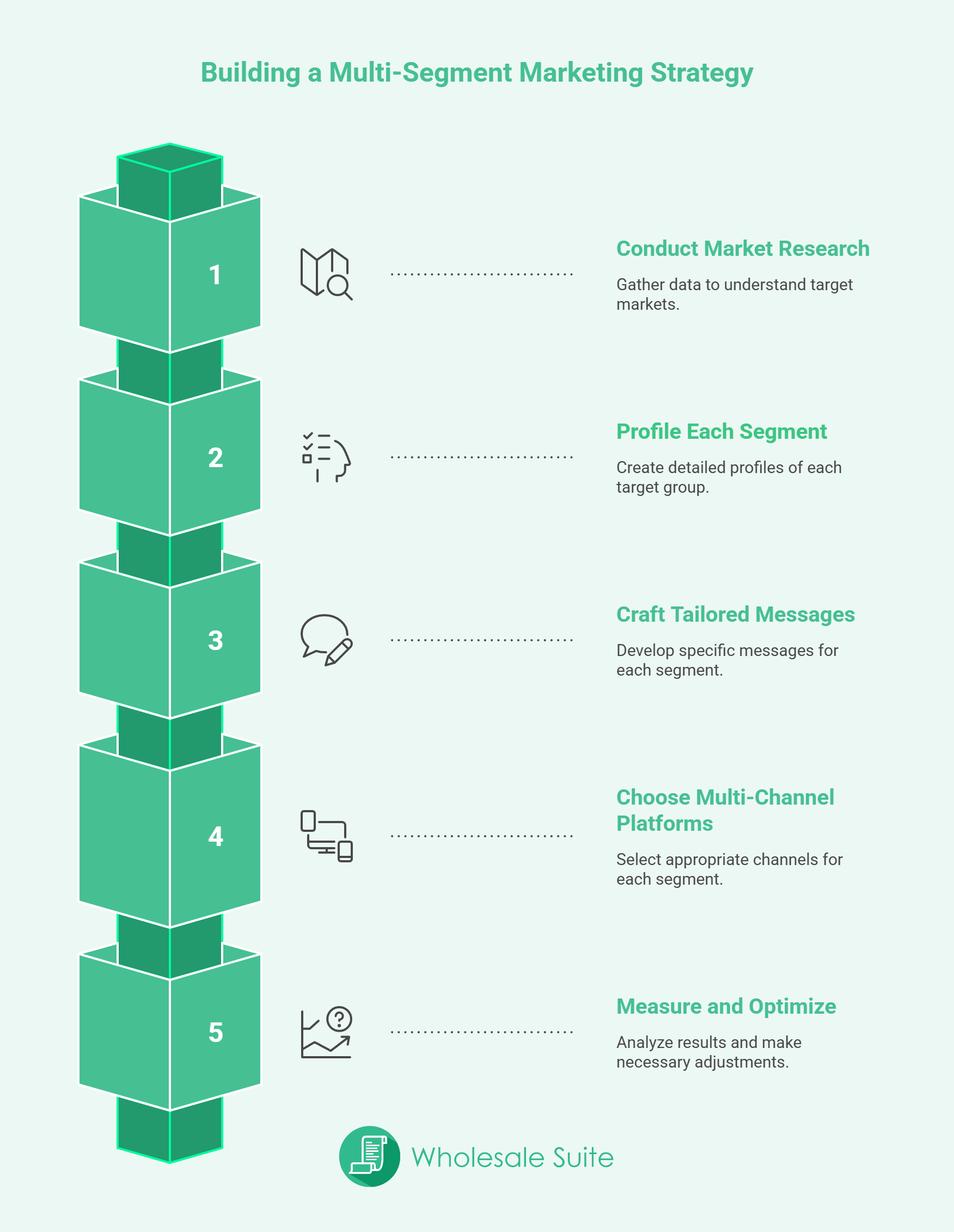
How To Build A Multi-Segment Marketing Strategy (5 Steps)
Building a multi-segment marketing strategy may sound hard at first, but breaking it into steps makes it easy to follow. We prepared five easy steps so you can have a clear marketing plan that reaches the right people with the right message.
Step 1: Conduct market research
The first step is to know the audience well. Guessing who might buy is not a good thing. Market research gives real answers. Businesses can look at sales data, run surveys, or read customer reviews to find patterns.
If, for example, after running sales data, an online store may see that many buyers are college students, while another big group is working parents. There are at least two target markets to consider. Market research helps create a picture of each group so messages feel real and not random.
You don’t want to skip this step—otherwise, your leads may receive weak marketing campaigns.
Step 2: Profile each segment
Once the groups are clear, the next step is to create profiles for each one. A profile shows the group’s age range, income level, buying habits, and main concerns. Some people call these buyer personas.
For example, one group might want low-cost products. Another group might care about fast shipping. By writing these things down, businesses can build segmentation strategies that match each group’s needs.
Basic guide to profile each segment
Profiling each segment means learning the main facts about each group so the message fits what they care about. Here is a simple way to start:
- List the basic details
Begin with age range, location, and income level if available. This helps give each group a clear picture instead of just guessing. - Write down their needs and goals
Ask: What does this group want from the product or service? (lower prices, better quality, etc.) - Look at buying habits
Find out how often they buy, what products they prefer, and what time of the year they shop most. - Note their main concerns
Some groups worry about cost. Others focus on shipping time or product safety. Listing these concerns helps write messages that answer those worries. - Give each group a short name
Names like “Budget Buyers,” “Quality Seekers,” or “First-Time Users” make it easy to remember each group when planning marketing campaigns.
You may also read “B2B Customer Profile: What Is It And How To Create One.”
Step 3: Craft tailored messages
After profiling, it is time to write messages for each group. This is where the multi-segment marketing strategy starts to come to life. The same product or service can be shown in different ways depending on what each group cares about.
Here is a simple way to write tailored messages for any group:
- Keep the message short and clear
People like messages that are easy to read. Simple sentences help the message stay friendly and direct. - Start with the group’s goal
Think about what each group wants from the product or service. - Use their language
Check surveys, reviews, or even comments on social media to see what words people use when they talk about the product. Using the same style of language makes the message feel natural. - Connect the product to their problem
Instead of listing features, show how the product or service helps solve a real need.
In order to personalize your messages, you must understand that people click, read, or buy because they feel the product was designed with them in mind. When a message speaks to their exact needs or problems, it feels more like a real conversation than an advertisement. People want to see themselves in the story you are telling.
You may also read: How To Craft Compelling WooCommerce Emails For Wholesale Customers.
Step 4: Choose multi-channel platforms
The next step is to pick the right channels for each group. Some people respond well to email. Others spend more time on social media. A few prefer detailed blog posts or product guides.
For instance, younger buyers might find a product on TikTok or Instagram, while another target segment focuses more on newsletters and long-form content. A multi-segment marketing strategy works best when each group gets messages on the channels they actually use.
Many businesses now use WooCommerce tools and email marketing software to handle this part. These tools send the right email or show the right ad to the right group automatically. It saves time while keeping messages organized for every group.
If you want to know how you can utilize your multi-channel platforms effectively, you may read: How To Build A Multi-Channel Marketing Strategy For B2B Success.
Step 5: Measure and optimize
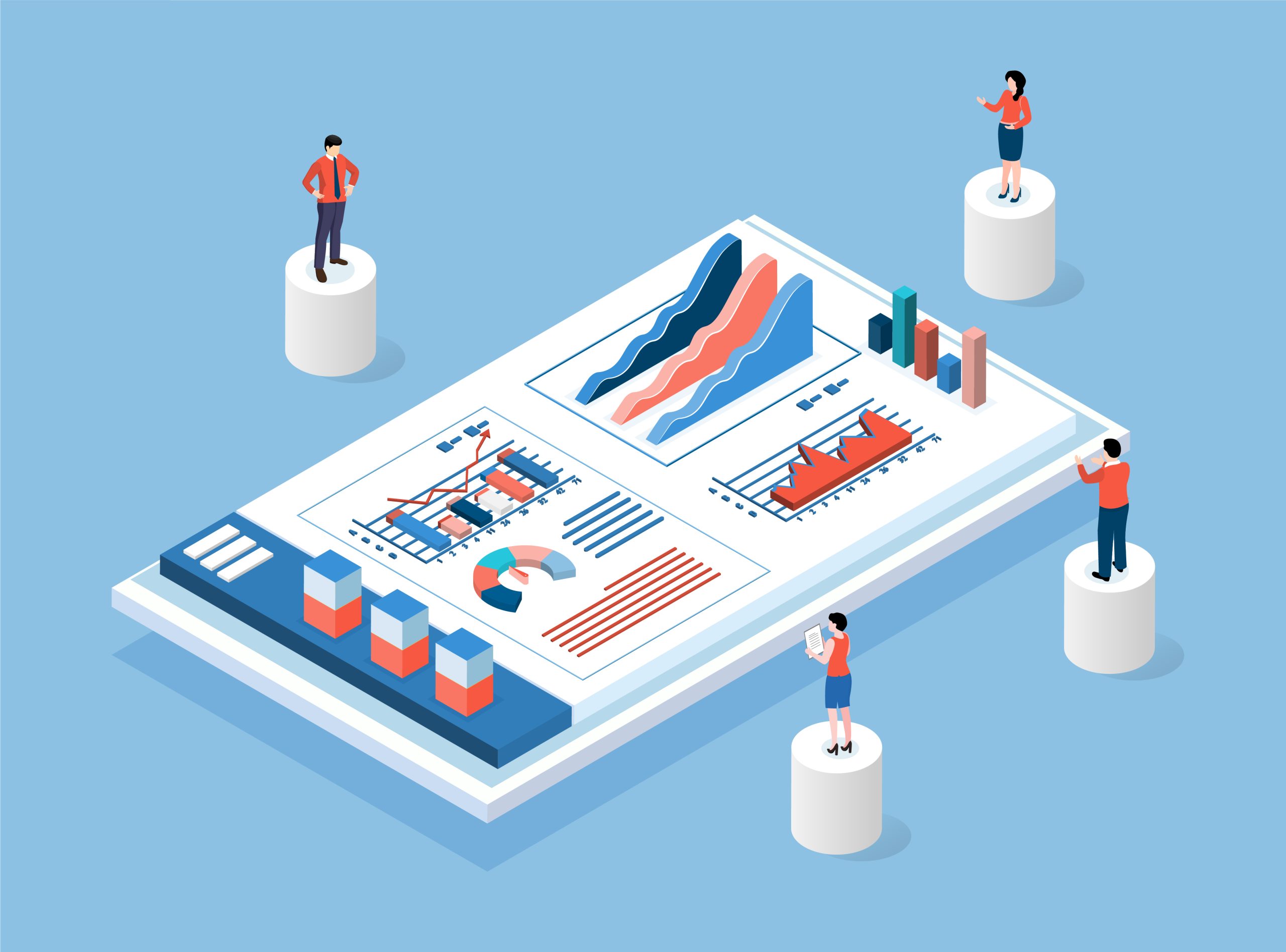
The last step is to check how each group responds and then improve the next campaign based on the results. A multi-segment marketing strategy gets stronger when businesses know what is working and what needs more attention.
Here are some key things to measure:
- Open rates – Show how many people opened the email or viewed the ad.
- Click-through rates – Indicate how many people clicked on a link inside the message.
- Conversion rates – Reveal how many people took the next step, such as signing up or buying a product.
- Engagement on social media – Likes, shares, and comments reflect how people react to the message.
- Sales numbers – Compare sales before and after a campaign to see its impact.
- Customer feedback – Surveys or reviews can point out what people like or what confuses them.
By tracking these numbers, businesses can see what is going well and what needs to change. If a message works for one group but not another, it can be updated for better results next time or run A/B testing. Over time, the multi-segment marketing strategy improves because each campaign gives new insights for future campaigns.
What You Should Not Be Doing
While a multi-segment marketing strategy can bring strong results, some mistakes can slow things down or even waste time and money. Here’s what you should take note of:
Over-segmentation
Some businesses try to create too many groups at once. They end up spending too much time and money building campaigns that feel small and scattered. That’s a big no-no. It is better to start with a few key segments first. As the marketing plan grows and more data becomes available, new groups can be added without making the process too heavy or confusing.
Generic messaging
Another mistake is creating segments but still sending messages that sound the same for everyone. A multi-segment marketing strategy works only if the message speaks to each group in a way that matters to them. Without fundamental changes in the words, tone, or offers, the strategy loses its primary purpose.
Ignoring performance data
Some businesses send out marketing campaigns but never check how well they perform. They miss chances to see what worked or what failed. Without tracking open rates, clicks, or sales, the next campaign ends up with the same weak results. Measuring and adjusting based on real numbers keeps the segmentation strategies sharp and effective.
Forgetting about the audience
Sometimes businesses focus so much on selling that they forget about the people reading the message. A strong multi-segment marketing strategy balances sales goals with building genuine connections. Messages that only push for a sale without showing how the product helps the audience can feel cold and out of touch.
Tools And Plugins To Support Multi-Segment Marketing
Using the right tools makes building and running a multi-segment marketing strategy much easier. These tools help gather data, manage messages, and keep campaigns organized.
CRM tools for customer data
Customer Relationship Management (CRM) tools help store and organize customer information. They can show which products people buy, how often they visit a website, and what messages they respond to. This data makes it easier to create accurate profiles for each group in the marketing plan. Popular CRM tools include HubSpot, Zoho CRM, and Salesforce.
Email marketing platforms
Email marketing platforms let businesses send different messages to different groups automatically. For example, one group can get a welcome series while another group receives product tips or special offers. These platforms also track open rates and clicks so businesses can see what works. Some popular options are Mailchimp, ActiveCampaign, and Brevo.
WooCommerce B2B plugins
For businesses using WooCommerce, B2B plugins like Wholesale Suite can play a big role in a multi-segment marketing strategy. This plugin lets businesses create different prices, catalogs, and order options for each customer group.
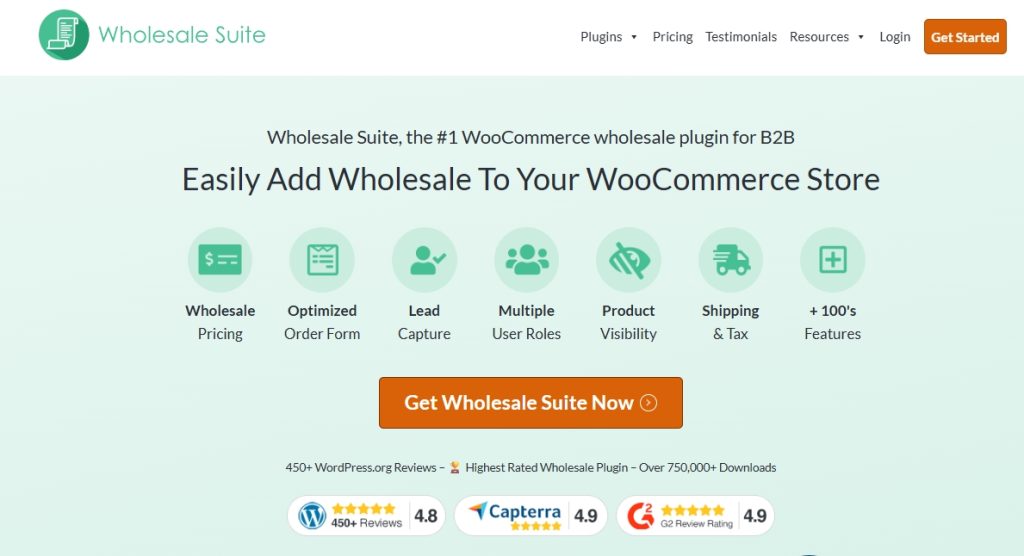
For example, wholesale buyers might want to see bulk pricing, while small retailers prefer smaller minimum orders and regular pricing. With Wholesale Prices Premium, both groups can shop in the same store but see different prices, shipping rules, and even product visibility. This saves time because there is no need to manage separate websites for each group.
Another reason this plugin helps is automation and registration. Businesses can set rules so certain groups see discounts or special offers automatically. When a new buyer signs up, the plugin can assign them to the right group based on information in the registration form. This keeps the marketing campaigns organized while giving each segment a shopping experience that feels personal.
By combining Wholesale Suite with other segmentation strategies, businesses can run targeted offers and create buying experiences that speak directly to each audience group. This helps turn a basic WooCommerce store into a place where every customer segment feels like the store was built just for them.
Conclusion
A multi-segment marketing strategy gives businesses a clear way to talk to different groups without losing focus. Instead of sending one message to everyone and hoping it works, businesses can break down their audience, learn what each group wants, and share messages that feel personal.
Let’s do a quick recap on what we discussed in this article:
- What is a multi-segment marketing strategy
- Benefits
- Five key steps to building this strategy
- What you should not be doing
- Tools and plugins
The most significant benefit of a multi-segment marketing strategy is control. Businesses can choose what to say, who to tell it to, and how to measure success. Over time, this approach helps improve return on investment, keeps the marketing plan organized, and makes it easier to grow without starting over each time a new customer group appears. Tools like Wholesale Suite and CRM platforms make this work smoother because they handle the complex parts like customer data, pricing rules, and automated messages.
This step-by-step approach turns marketing from guesswork into a clear plan that leads to real growth potential over time.
Do you have any questions? Let us know in the comments!
Frequently Asked Questions
What is a multi-segment marketing strategy in simple words?
A multi-segment marketing strategy is a plan where a business talks to different groups of customers in different ways. Each group gets a message that matches what they care about most, instead of using one message for everyone.
How many segments should a business start with?
It is best to start with two or three main segments. This keeps the marketing plan simple while giving enough room to create messages that fit each group. More segments can be added later as the business grows.
How do I know if my multi-segment marketing strategy is working?
You can check open rates, click-through rates, sales numbers, and customer feedback. If one group responds well while another does not, the data will show it so you can adjust the marketing campaigns for better results next time.